The Problem
Launching a global event of this scale required extensive program management, coordination across multiple teams, and the ability to handle high traffic volumes while ensuring advertisers could seamlessly engage with the platform.
Goals
- 🌎 Launch a New Global Event — Successfully managed the end-to-end rollout of Prime Early Access Sale across multiple countries
- 🛠 Ensure Quality — Maintained the same level of advertising quality as Prime Day and Black Friday/Cyber Monday
- 📊 Enhance Operational Efficiency — Streamlined processes for faster campaign deployment and real-time analytics on a short execution timeline
- 🤝 Cross-Team Collaboration — Coordinated with engineering, marketing, sales, and business teams for a seamless shopper and advertiser experience while maximizing revenue
Development Timeline
- Identify Event Scope and Objectives
- Create Initial Working Backwards Project Tracker
- Alignment on Advertising Packages with Leadership
- Sales and Internal Training Materials Created
- Go-To-Market
- Sales and Advertising Creation
- Go Live
- Post-Event Reporting and Analysis
Challenges & Solutions
| Challenge | Solution |
|---|---|
| Compressed timeline for sales and development | Normal buffer timelines were eliminated, and we diligently tracked our working backwards document to identify drop-dead dates for deliverables. When deadlines were at risk, additional resources and help were dedicated as available |
| Adjustment of pricing for ad packages | Prime Day and Black Friday/Cyber Monday had years of historical data; this inaugural event had less forecasting confidence, so scenario-based modeling captured worst and best case site traffic for pricing |
| Competing priorities and resourcing | Black Friday prep was happening simultaneously. We consolidated advertiser efforts across both events, gave priority and flexibility to advertisers who secured deals early, and reused Prime Day materials and policies to ease implementation |
The Program & Product
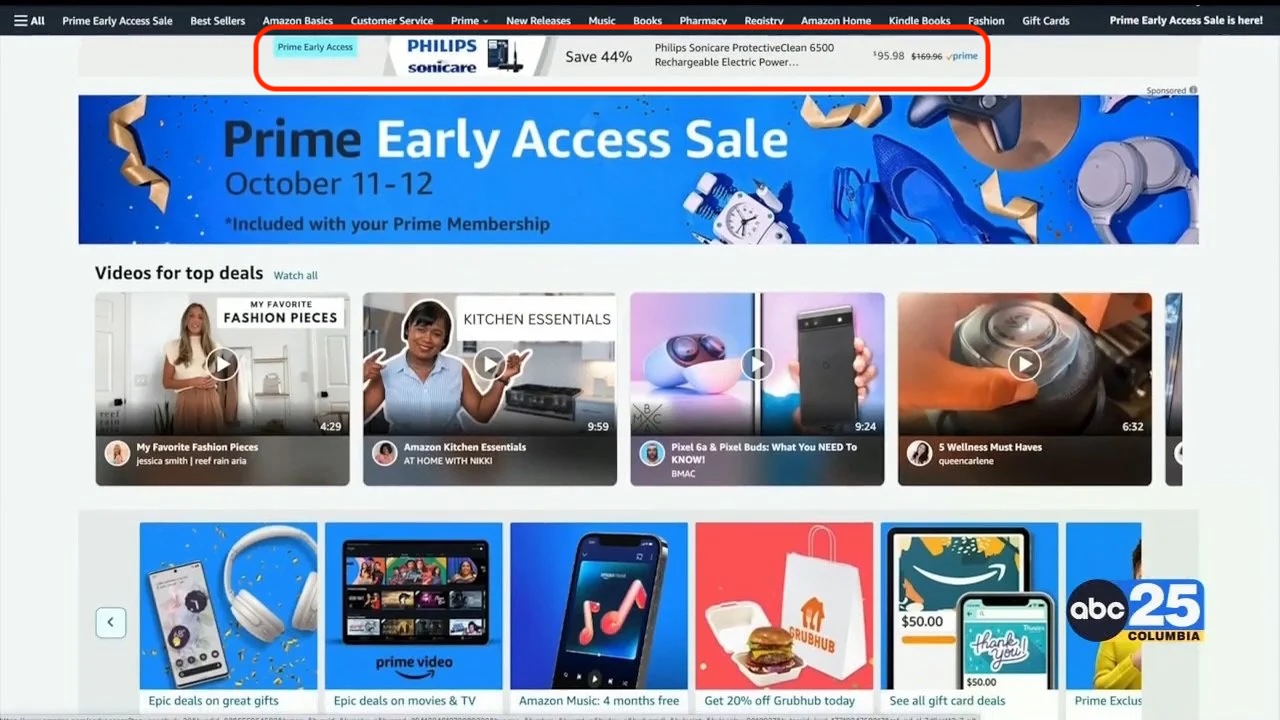
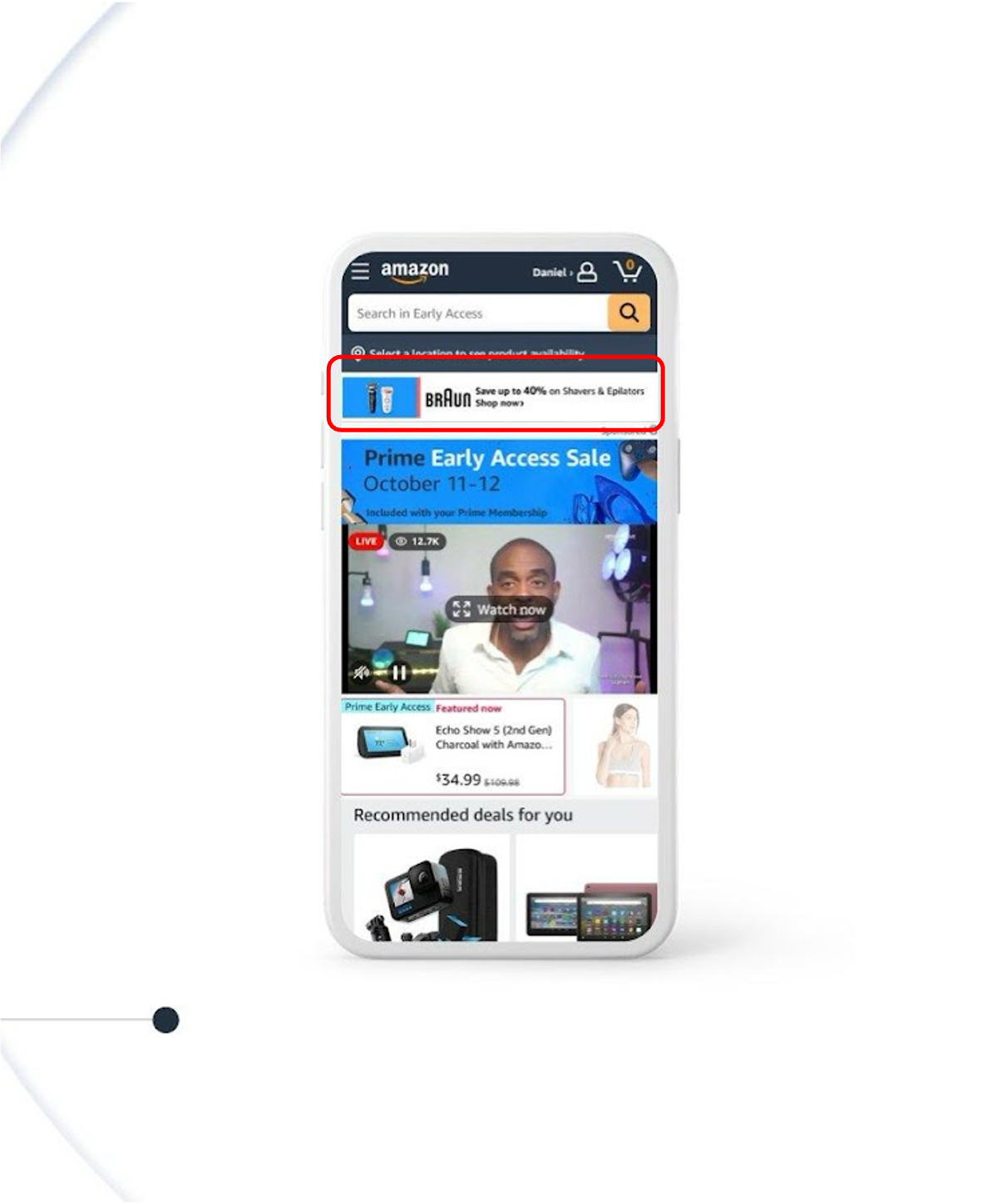
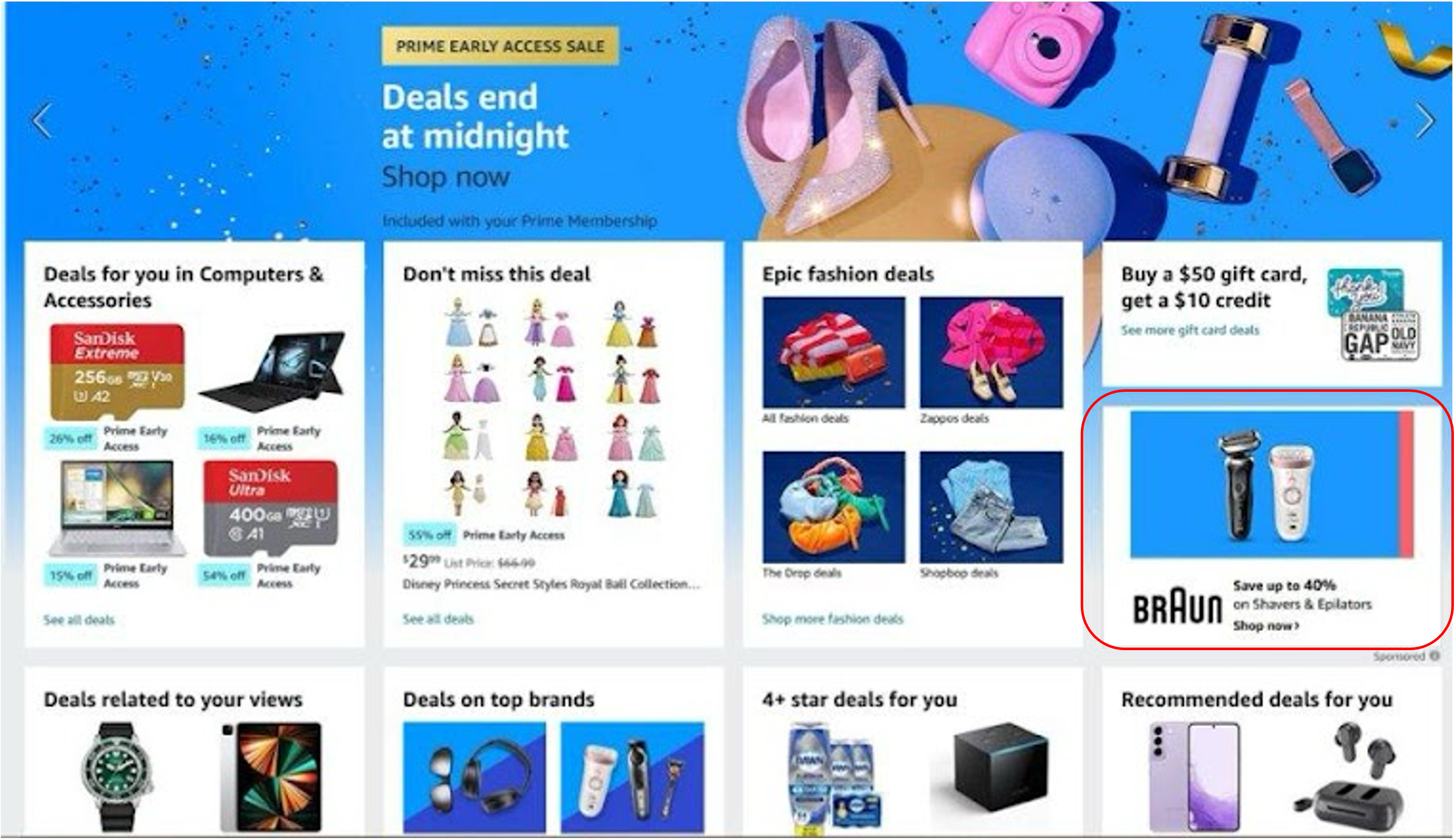
Brand creatives set up during this and other high-traffic events were configured to relay real-time price discounts based on stock availability and dynamic pricing. These discounts pulled into the creatives themselves, linking back directly to either brand stores or product-specific pages.
- 🎯 3 Ad placements on the home and brand pages
- 📣 100% share-of-voice — all impressions were driven to official partners to improve conversion rates
Screenshots
Failures & Lessons Learned
- ⚖️ Importance of Working Backwards — The working backwards methodology was extremely helpful in setting clear delivery deadlines and understanding the impact of missing them. This is often called the Critical Path in Project Management, but until one sees it used properly and improperly, its full value doesn't sink in.
- 🔗 Upward Communication and Expectation Management — With competing priorities (Black Friday and Cyber Monday), resourcing and timelines were difficult. I learned the importance of structured check-ins with senior stakeholders to improve executive buy-in and secure resources early.
- ⏳ Importance of Cross-Functional Status Updates — Constant coordination across engineering, marketing, and sales meant delays in one area cascaded. I learned the need for update cadences — daily standups or enhanced project tracking — to minimize misalignment and improve execution efficiency.